
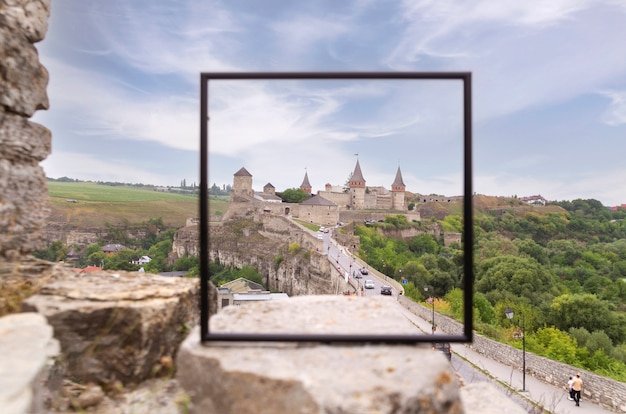
Across the globe, cultural landmarks stand as timeless witnesses to the triumphs, tragedies, and transformations of civilizations. These remarkable sites are more than just places to visit; they are living testaments to the history, art, and traditions that have shaped societies. For travelers and history enthusiasts alike, visiting historical sites offers a profound connection to the past, offering a glimpse into the stories that have defined cultures for centuries.
Visit Historical Sites to Step Into the Past
When it comes to understanding a culture, there’s no better way to dive deep than by standing in the very spaces where history was made. Whether it’s an ancient fortress, a palace, or a place of religious significance, visiting historical sites invites one to engage with the environment in a way that books and documentaries cannot replicate. Each site has its own tale to tell, preserved through architecture, artwork, and sometimes even local folklore. Walking through the same halls where historical figures once stood, or standing on a battlefield where pivotal events unfolded, allows travelers to feel the weight of history in the most tangible way.
For example, the Great Wall of China offers more than just its awe-inspiring views; it carries the echoes of the dynasties that constructed it, and the soldiers who once guarded it. Similarly, the Pyramids of Giza speak to the incredible engineering feats of ancient Egypt, offering insight into the civilization’s beliefs and cultural values. Visiting historical sites like these can serve as a portal to another time, enriching your understanding of human endeavor.
Learn Architectural Tales That Echo Through Time
Architecture is not just about building structures—it’s about telling stories. Learning architectural tales is a fascinating way to uncover the deeper meaning behind a landmark. Every stone, every column, and every archway has a purpose, and often, it’s the result of centuries of cultural evolution.
The Colosseum in Rome, for instance, is not just a symbol of ancient Roman engineering; it’s a vivid testament to the culture’s complex social structure. This grand amphitheater tells the story of gladiatorial contests, the power of the Roman Empire, and the culture’s dedication to both entertainment and politics. The design of the Colosseum, with its innovative use of arches and stadium-style seating, reflects the Roman commitment to both spectacle and order.
In India, the Taj Mahal tells a story of love and loss. Its majestic white marble structure is not only an architectural masterpiece but also a poignant symbol of Emperor Shah Jahan’s grief for his beloved wife Mumtaz Mahal. Learning architectural tales like these transforms the experience from merely sightseeing into an emotional journey through time.
Uncover Local Legends Through Iconic Locations
Behind every landmark, there are often stories—myths, folklore, and legends—that add a layer of mystique to its significance. These local legends weave themselves into the fabric of a place, creating a sense of wonder that enriches the experience of exploring cultural landmarks.
The ancient city of Petra, Jordan, for example, is steeped in legend. Carved into the rose-red cliffs, this city tells the story of the Nabateans, a people who mastered water conservation in the desert. According to local legend, Petra’s Treasury was once the hiding place of a pharaoh’s treasure, guarded by spirits. The myths surrounding Petra only deepen its allure, making it not just a historical site but a place where imagination can roam free.
Similarly, in Ireland, the Cliffs of Moher are steeped in tales of ancient warriors, fairies, and mythical creatures. The legends surrounding these majestic cliffs have been passed down through generations, giving the site a magical quality that transcends its physical beauty. Uncovering local legends adds a rich, imaginative layer to any visit, transforming the landmark into something more than just a geographical location—it becomes a living, breathing part of the cultural psyche.
Explore Iconic Locations That Define National Identity
Certain cultural landmarks are so iconic that they become symbols of national identity. These iconic locations are often the most visited landmarks in the world, but their significance goes far beyond tourism. They represent the values, struggles, and triumphs of entire nations.
The Eiffel Tower in Paris is one such location. More than just an architectural marvel, it has become a symbol of French creativity, resilience, and national pride. Originally a temporary structure for the 1889 World’s Fair, the Eiffel Tower now stands as a global icon of France’s cultural and artistic heritage. Visitors from all over the world come to explore iconic locations like this, taking in the views and reflecting on the deeper meanings embedded in these landmarks.
In the United States, the Statue of Liberty serves as a beacon of freedom, democracy, and hope. Its towering presence in New York Harbor has welcomed millions of immigrants over the years, making it not just an American icon but a symbol of the promise of a better life. To explore iconic locations like the Statue of Liberty is to engage with the ideals and aspirations that define a nation.
The Power of Cultural Landmarks
Cultural landmarks are much more than just places to visit—they are windows into the soul of a civilization. When you visit historical sites, you’re not just observing the physical structures; you’re connecting with the stories, people, and events that shaped them. Learning architectural tales offers insight into the ingenuity and artistry of cultures, while uncovering local legends infuses a sense of magic and mystery into every journey. And by exploring iconic locations, travelers are able to engage with the cultural identity of nations, experiencing firsthand what makes each place unique.
These landmarks, with their rich histories and enduring significance, serve as touchstones for understanding the diversity and complexity of human culture. Every visit is an opportunity to reflect on the triumphs and challenges of the past, to appreciate the beauty of human expression, and to celebrate the shared stories that bind us all together.


