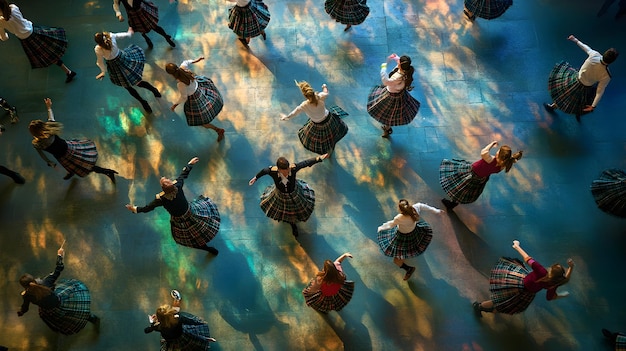

The Beauty and Power of Cultural Diversity
In a world that grows more interconnected with each passing day, cultural diversity stands not only as a reality but as a strength to be celebrated. From the vibrant markets of Marrakech to the neon-lit streets of Tokyo, from the rhythmic beats of Rio’s Carnival to the ancient traditions of the Māori in New Zealand, humanity paints its story in countless colors, languages, and customs. This rich tapestry of cultures is more than just a visual delight—it is a source of innovation, resilience, and mutual understanding. When we embrace cultural diversity, we do not merely tolerate differences; we honor the unique perspectives and experiences that shape our shared world.
Why Cultural Diversity Matters
Cultural diversity is not a modern phenomenon—it has been the cornerstone of human civilization for millennia. Yet, in today’s globalized society, its importance has never been more pronounced. Understanding why cultural diversity matters begins with recognizing its profound impact on social, economic, and personal levels.
The Power of Perspective
Every culture carries within it a unique worldview shaped by history, geography, and collective memory. When people from diverse backgrounds come together, they bring with them different ways of solving problems, creating art, and interpreting the world. This multiplicity of perspectives fosters creativity and innovation. Studies have shown that diverse teams outperform homogeneous ones in problem-solving and innovation, as they challenge assumptions and broaden the scope of possibility.
Economic Growth and Global Competitiveness
Cultural diversity is a powerful driver of economic growth. Countries that welcome diverse populations often experience increased trade, tourism, and foreign investment. Cities like London, New York, and Singapore thrive precisely because they are melting pots of cultures, languages, and ideas. Moreover, global corporations that embrace diversity in their workforce report higher revenues and more innovative products. When businesses reflect the diversity of their customers, they better understand market needs and respond with greater agility.
Social Harmony and Inclusivity
At its core, cultural diversity challenges prejudice and fosters inclusivity. When people learn about and appreciate different cultures, they are less likely to rely on stereotypes. Schools, workplaces, and communities that celebrate diversity create environments where everyone feels valued and respected. This sense of belonging reduces social tensions and builds stronger, more cohesive societies. Programs like cultural exchange, language learning, and intercultural dialogue play a vital role in breaking down barriers and promoting mutual respect.
The Challenges of Embracing Cultural Diversity
While the benefits of cultural diversity are undeniable, its acceptance is not always straightforward. Prejudice, xenophobia, and deep-seated cultural misunderstandings can create significant challenges. Recognizing these obstacles is the first step toward overcoming them.
- Language Barriers: Communication is the bridge that connects cultures, but language differences can create misunderstandings and feelings of isolation.
- Cultural Stereotypes: Preconceived notions about certain cultures can lead to discrimination and prevent individuals from being seen for who they truly are.
- Resistance to Change: Some communities may resist cultural integration due to fear of losing their identity or traditions.
- Unequal Power Dynamics: In some contexts, dominant cultures may marginalize minority groups, leading to social inequality and exclusion.
These challenges require empathy, education, and proactive efforts to promote understanding. It is not enough to acknowledge diversity—we must actively cultivate environments where all cultures are honored and represented.
The Role of Education in Celebrating Diversity
Education is one of the most powerful tools for promoting cultural diversity. By integrating multicultural perspectives into curricula, schools can help students develop empathy, critical thinking, and global awareness. When children learn about different cultures from an early age, they grow up with a natural appreciation for diversity.
Incorporating cultural diversity into education goes beyond adding a few books about other countries to the reading list. It involves:
- Inclusive Teaching Methods: Using diverse examples, case studies, and guest speakers from various backgrounds to illustrate concepts.
- Language Education: Offering opportunities to learn multiple languages to foster communication and cultural understanding.
- Intercultural Dialogues: Organizing student exchanges, pen pal programs, and cultural festivals that encourage interaction between different groups.
- Encouraging Critical Reflection: Helping students question stereotypes and consider the impact of cultural assumptions on society.
Educational institutions that prioritize cultural diversity not only prepare students for a globalized workforce but also cultivate compassionate, informed citizens who value human dignity across all cultures.
The Arts as a Celebration of Cultural Diversity
The arts—music, dance, literature, visual arts, and film—serve as universal languages that transcend borders. They allow us to experience the emotions, histories, and dreams of people from every corner of the world. Through the arts, cultural diversity becomes not just an abstract idea but a lived, felt reality.
Consider the following ways in which art embodies and promotes cultural diversity:
- Music: Genres like jazz, salsa, Bollywood, and K-pop reflect the fusion of traditions, languages, and rhythms from different cultures.
- Visual Arts: Museums and galleries worldwide showcase works that tell stories of identity, migration, and heritage, connecting viewers to cultures they may never encounter otherwise.
- Literature: Books and poetry written by authors from diverse backgrounds offer insight into different worldviews and historical experiences.
- Film and Theatre: Movies and plays often explore themes of belonging, displacement, and cultural identity, fostering empathy and dialogue.
When we engage with the arts, we do not just observe culture—we participate in it. We learn to see the world through new eyes and appreciate the beauty that arises when traditions intersect and evolve.
Building a Diverse and Inclusive Future
Embracing cultural diversity is an ongoing journey. It requires commitment from individuals, communities, and institutions to create a world where everyone, regardless of background, has the opportunity to thrive. Building such a future starts with small, intentional actions in our daily lives.
Here are some ways individuals and organizations can contribute to a more inclusive world:
For Individuals:
- Stay Curious: Ask questions, read widely, and seek out experiences that introduce you to new cultures.
- Practice Active Listening: When someone shares their cultural experience, listen with an open heart and without judgment.
- Support Diverse Voices: Consume media created by people from different backgrounds and amplify their stories.
- Challenge Stereotypes: Speak up when you encounter prejudice or misinformation about a culture.
For Organizations and Institutions:
- Promote Inclusive Hiring: Ensure diverse representation in leadership and decision-making roles.
- Create Safe Spaces: Foster environments where cultural differences are celebrated and differences of opinion are respected.
- Invest in Diversity Training: Equip employees and members with the skills to navigate cultural differences respectfully.
- Support Cultural Events: Host festivals, workshops, and dialogues that highlight diverse traditions and perspectives.
Ultimately, embracing cultural diversity is about recognizing that our differences are not divisions but threads that weave together the rich fabric of human experience. When we celebrate diversity, we affirm that every voice matters, every story has value, and every culture contributes to the beauty of our shared humanity.
Conclusion: A Tapestry Worth Weaving
Cultural diversity is not a challenge to be managed but a gift to be embraced. It enriches our lives, expands our minds, and strengthens our communities. In a time when polarization and conflict often dominate headlines, the power of cultural diversity offers a path toward unity and mutual respect. It reminds us that, despite our differences, we are all part of a single human family.
As we move forward, let us commit to nurturing a world where cultural diversity is not just acknowledged but celebrated—in classrooms, boardrooms, arts, and daily interactions. Let us weave a tapestry so vibrant and intricate that no thread is left unseen or unappreciated. In doing so, we honor the past, enrich the present, and build a future where everyone can flourish.