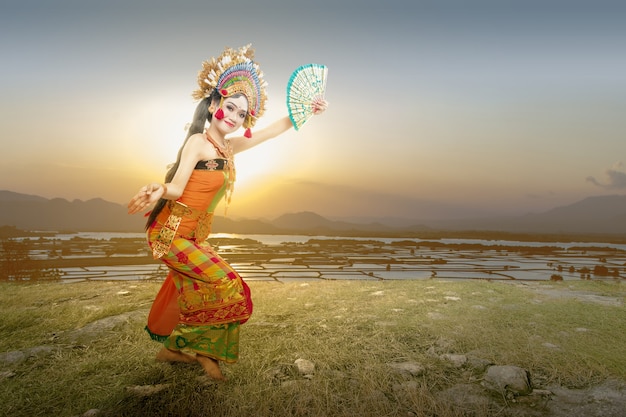

In today’s interconnected world, the influence of culture on global connections is more important than ever. As societies become increasingly interdependent, cultural understanding and appreciation serve as powerful tools in building relationships across borders. Culture shapes how individuals communicate, form relationships, and navigate the complexities of a diverse world. By recognizing and embracing these cultural differences, people can foster international ties, build cross-border empathy, celebrate shared values, and ultimately strengthen global unity.
The Role of Culture in Fostering International Ties
Culture is the lens through which individuals interpret the world. It defines traditions, behaviors, languages, and practices that bind societies together. In the context of global connections, understanding these cultural nuances is essential to establishing meaningful relationships. When people from different cultural backgrounds engage with one another, they bring their unique perspectives and experiences into the conversation.
By promoting cultural exchange and collaboration, societies can foster international ties that lead to stronger economic, political, and social bonds. Whether it’s through trade agreements, diplomatic relations, or humanitarian efforts, cultural knowledge paves the way for smoother communication and cooperation. For example, businesses expanding into new markets can benefit from understanding local customs, preferences, and etiquette. When they respect and adapt to cultural norms, they build trust and rapport with local communities, facilitating successful partnerships and ventures.
In the realm of diplomacy, fostering international ties is a cornerstone of peace-building. By acknowledging cultural differences and seeking common ground, countries can engage in dialogue that fosters mutual respect. This respect goes beyond superficial interactions, delving deeper into shared objectives that benefit all parties involved. It’s through these connections that nations can work together to address global challenges such as climate change, poverty, and human rights issues.
Building Cross-Border Empathy
As globalization brings people closer, the need to build cross-border empathy becomes ever more crucial. Empathy is the ability to understand and share the feelings of others, and it’s an essential ingredient in building strong, respectful relationships across cultures. Understanding different worldviews allows individuals to see beyond their own experiences and connect with others on a more profound level.
Cultural exchange programs, international conferences, and collaborative projects all serve as platforms to nurture empathy. When people are exposed to diverse cultures, they not only learn about different traditions but also come to understand the emotional experiences that shape people’s actions and perspectives. This deeper level of understanding fosters an environment of compassion and mutual support, where individuals are more likely to engage in constructive dialogue and work together to find solutions to global problems.
In today’s digital age, building cross-border empathy extends beyond face-to-face interactions. Social media and online platforms provide unique opportunities for individuals from diverse cultures to connect, share their stories, and learn from one another. Online communities that promote cultural exchange encourage people to engage in conversations that challenge preconceived notions and dismantle stereotypes. By embracing these opportunities, individuals can develop a more nuanced understanding of global issues and, in turn, cultivate a more empathetic and inclusive world.
Celebrating Shared Values
While cultural differences often take center stage in discussions about globalization, it’s equally important to celebrate shared values that unite us all. Despite the variety of traditions, religions, and customs around the world, many cultures share common principles, such as the desire for peace, justice, and prosperity. These universal values serve as a foundation for building connections that transcend national and cultural boundaries.
Celebrating shared values provides a platform for people to come together and collaborate toward common goals. For instance, global initiatives focused on human rights, environmental sustainability, and social equity are grounded in the shared belief that every individual deserves dignity, respect, and opportunity. These values are not confined to one culture or region; they resonate universally, creating a collective sense of responsibility to support and uplift each other.
When societies focus on what they have in common, rather than what sets them apart, they create spaces for collaboration and cooperation. Whether through joint humanitarian efforts, cross-cultural artistic endeavors, or international scientific research, celebrating these shared values promotes unity and solidarity across the globe. It’s in these moments that the true power of cultural exchange is realized, as individuals and groups work together to create a better, more connected world.
Strengthening Global Unity
In a world where division and conflict are often emphasized, the power of culture to strengthen global unity should not be underestimated. Cultural exchange has the potential to bridge gaps between nations, fostering an understanding of one another’s unique histories, struggles, and triumphs. By actively engaging in cultural dialogue and mutual respect, societies can create a more harmonious and peaceful world.
Cultural diplomacy is a powerful tool in strengthening global unity. Through arts, education, and international cooperation, countries can promote peaceful exchanges that transcend borders. Programs that bring together individuals from diverse backgrounds allow for the sharing of ideas and the development of new perspectives. As people collaborate, they realize that they are all part of a global community, united by common goals and aspirations.
Moreover, the rise of global communication platforms has made it easier than ever to engage with people from different cultures. Online discussions, webinars, and virtual events allow individuals to participate in dialogues that promote understanding and unity. This digital interconnectedness has brought the world closer together, giving people the ability to engage in cultural exchange and unite for causes greater than themselves.
Conclusion
Culture plays a pivotal role in shaping global connections, fostering understanding, and building empathy. As the world becomes increasingly interconnected, embracing cultural diversity and celebrating shared values can foster international ties, build cross-border empathy, and ultimately strengthen global unity. Whether through personal interactions, diplomatic efforts, or technological advancements, culture serves as a bridge that connects us all, paving the way for a more harmonious and cooperative global community. By embracing this cultural tapestry, we create a world where connections are not only possible but are the cornerstone of peace and prosperity for all.